Should USMNT fans temper expectations for the 2026 World Cup?

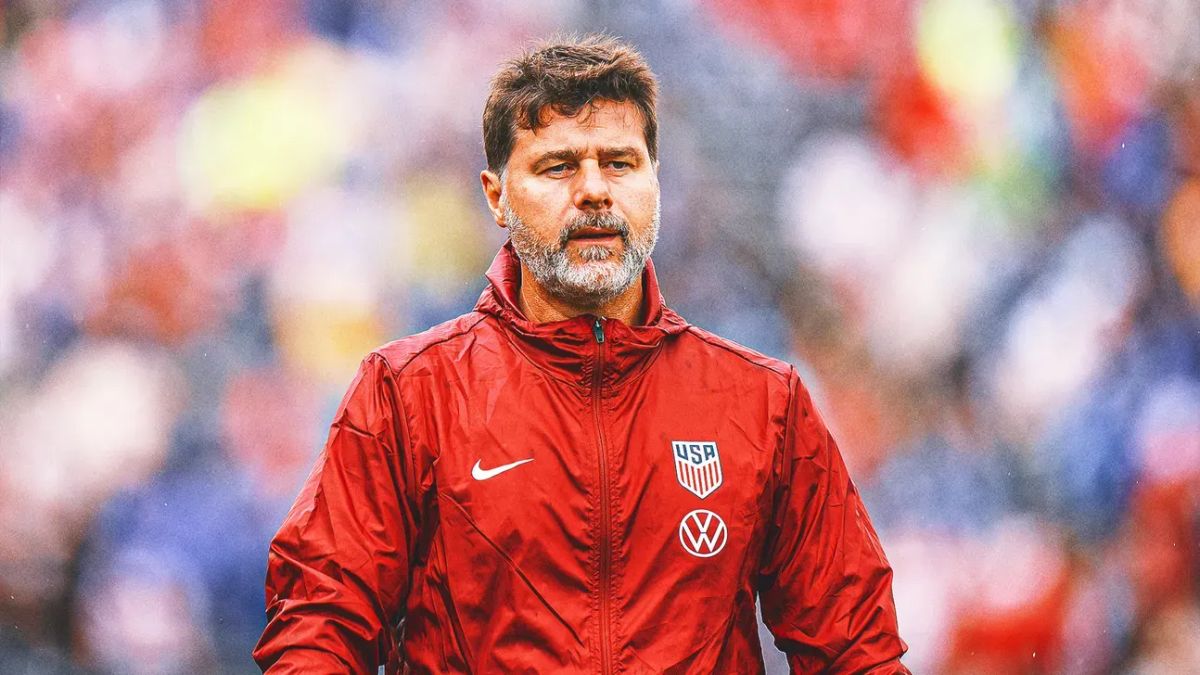
The flags are out. The tickets are being purchased (well some are, at least). With the 2026 FIFA World Cup set to kick off on American soil this summer, the nation's soccer enthusiasm has reached a fever pitch, and with it, expectations that are drifting dangerously beyond what the USMNT can realistically deliver.
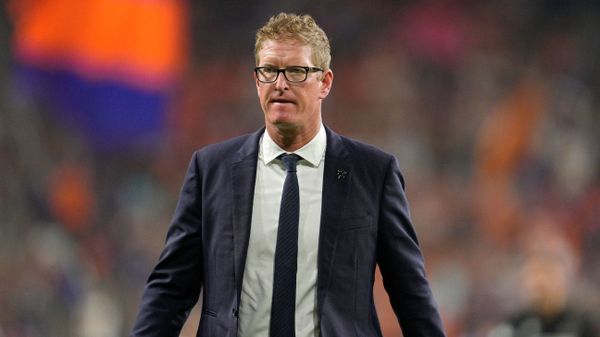
"Why not us?" USMNT head coach Mauricio Pochettino said. "If I don’t believe in you, it’s difficult, and if we don’t believe in you, it’s difficult to compete. Why not us?”
With those words, it is quite clear that Pochettino has bought into the American mindset — any dream is achievable with hard work and belief.
The USMNT is a young, talented, squad. But talented and World Cup-ready squad are two very different things, and conflating them will only set American fans up for heartbreak. So let's be honest about where we are.
Just two years ago, the United States had one of it's more embarrassing major tournament performances, crashing out of Copa América 2024 in the group stage, losing two of its three matches, falling 2-1 to Panama and 1-0 to Uruguay. The cherry on top? The U.S. became the first host nation since the group stage was introduced in 1975 to fail to advance to the Copa América knockout stage.
The deeper issue isn't tactics or coaching, though. It's structural, and it runs generationally deep. Think about what it actually means to compete with countries where soccer isn't just a sport, it's a religion, a language, a way of life passed down through families and communities for over a century.
Former USMNT star and LAFC manager Steve Cherundolo said it plainly in a recent interview: "We're playing catch-up in the United States to South America and Europe. We're about 70 years behind with our development on this sport in our country." Cherundolo isn't some fringe pessimist. He's a man who spent his career at the top levels of German football and knows firsthand what a mature soccer culture looks and feels like up close.
The gap he's describing starts at childhood. In Europe, children as young as six are recruited by clubs and enrolled in rigorous youth academy systems focused on technical skills and match experience. In contrast, many U.S. youth players participate in pay-to-play programs that prioritize participation fees over talent identification. Think about that for a second.
In Spain or Germany, the best kid in the neighborhood gets found and developed for free. In America, that same kid might never get seen because his parents couldn't afford the club fees. The result is a pipeline that filters talent by economic access rather than pure ability, and that's a problem no single coaching hire or MLS expansion can fix overnight.
The very fact that USMNT stars like Christian Pulisic, Weston McKennie, Timothy Weah, and others all had to seek out European youth setups to reach their potential tells you something painfully telling about the state of domestic player development. The best American players had to leave America to become the best American players. The uptick in MLS players making an impact at the national team level, however, shows us that we could be trending in a better direction.
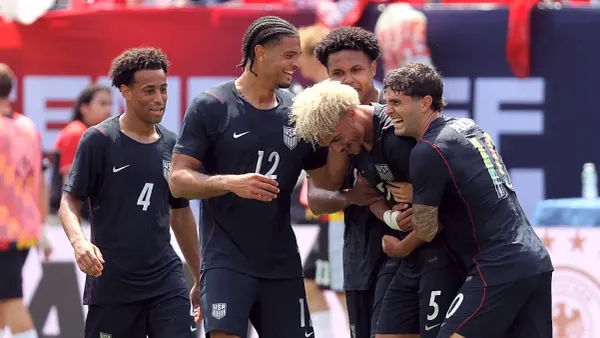
But when you look honestly at the current squad, real talent sits alongside real uncertainty. Playing time concerns are a genuine issue, with players such as Yunus Musah and Gio Reyna not playing consistently for their clubs. Even in goal, a position long been the most talented for the USMNT, the picture is somewhat murky. Matt Turner's European tour turned out to be a bust, and his return stateside came too late for him to seriously challenge NYCFC keeper Matt Freese for the starting spot.
Pochettino has made genuine strides with this group, and the 5-1 win over Uruguay in a November friendly was a real confidence-booster, but the March window has knocked them back down a peg.
There's also a temptation to lean heavily on the idea of home advantage, and it's not a crazy one. Playing in front of roaring home crowds in the U.S. will give the USMNT a real emotional lift, and that's not nothing. But it isn't a trophy either. Copa América 2024 was supposed to hand the USMNT invaluable experience against South America's finest ahead of this very World Cup, and it ended in disaster. If a tournament on home turf couldn't unlock this squad's potential two years ago, there's no guarantee a bigger, higher-stakes version now will automatically do so.
None of this is meant to rain on the parade. Honestly, there's something genuinely beautiful about watching American soccer reach this moment. A home World Cup, a generation of players who grew up dreaming of exactly this, a coach in Pochettino who actually seems to have a coherent vision. The USMNT enters 2026 with one of the deepest player pools in program history, and that is worth celebrating. On any given day, this team can compete with historic soccer nations. The 2002 squad proved that magic can happen when conditions are right.
But there's a difference between hoping for magic and demanding it as a birthright. The USMNT is a team still earning its place among the world's elite, competing in a country that remains, structurally and culturally, a soccer work in progress.
Enjoy the ride. Just don't build your entire summer around a deep knockout run as though it's the expected outcome, because the rest of the soccer world has had a century's head start, and that debt doesn't get paid off in one tournament.