

Read more
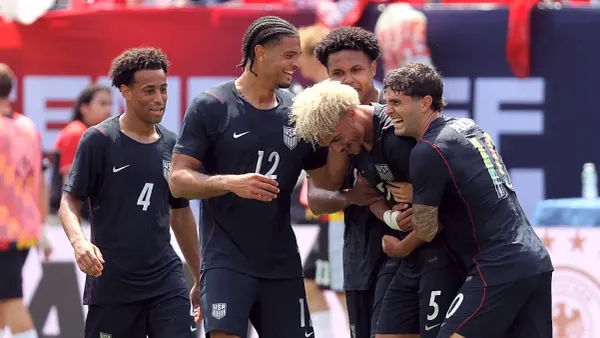
Predicting the USMNT's starting XI to kick off 2026 World Cup against Paraguay
The 2026 FIFA World Cup is finally upon us. Mauricio Pochettino's United States men's national team side are set to kick off play in Group D against Paraguay on Friday, but there may still one or two question marks regarding team selection. The likes of Christian

Jim Curtin: Austin's coaching coup and a manager worth backing
Austin FC have endured a miserable 2026. Currently sitting 14th in the Western Conference, they recently fired sporting director Rodolfo Borrell and head coach Nico Estévez following a dismal 3-5-7 start to the season. The club looked to be without direction, adrift in the Western Conference with no

Why MLS must avoid introducing clock-stoppages as the league continues to search for relevance
The timing, if nothing else, is extraordinary. With the FIFA World Cup just weeks away from kicking off on American soil, the most significant moment in the history of soccer in this country, the idea has been floated to fundamentally alter the way the sport keeps time. According to a

"F*ck Off LAFC": How the MLS club sparked a battle for Swiss football's most storied club
When Grasshopper Club Zürich hosted FC Luzern at the Letzigrund stadium on Saturday, the ultras who typically drive the atmosphere were conspicuously absent from their seats. In their place hung two banners. The first read, with weary resignation: "We just don't feel like it right now."