How MLS is betting on the 2026 World Cup to transform American soccer forever

32 years ago, the United States hosted a World Cup. At the time, soccer was a sport for kids and immigrants, a game played in the suburbs on Saturday mornings but rarely discussed at the bar. Then the tournament arrived, and something shifted. Crowds showed up in numbers that stunned the world. The 1994 World Cup became the most attended in the event's history, a record that still stands today. And within two years, Major League Soccer was born.
Now MLS finds itself standing at a similar potential turning point. The 2026 FIFA World Cup, which is the largest in history, spanning 104 matches across 16 cities in the U.S., Canada, and Mexico, arrives this June as the single greatest opportunity the league has ever had.
The question isn't whether the World Cup will generate excitement. It will. The question is whether MLS, now 30 years old and more ambitious than ever, is finally ready to turn a summer of borrowed attention into something permanent.
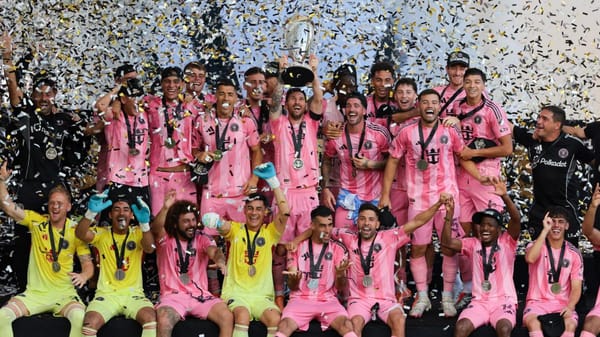
MLS enters 2026 in the strongest position it has ever occupied. Average club valuations have risen from $550 million in 2021 to $721 million in 2025, with five clubs now worth more than $1 billion. Average match attendance topped 22,000 last season, among the highest of any soccer league in the world. The 2026 season opener between Inter Miami and LAFC drew the highest opening-weekend attendance in league history, a weekend in which more than 387,000 fans showed up to MLS stadiums, up 5% from the prior year.
Commissioner Don Garber, who has led the league for more than 25 years, has been clear about the stakes. "The 1994 World Cup is the most successful World Cup of all time," he said recently. "It will be eclipsed by the 2026 World Cup."
But Garber has also been careful to frame the opportunity in context. The World Cup, he argues, is rocket fuel for MLS, but this jet has been running for 30 years, and it was built to fly long after the summer crowd goes home.
His forward-looking plan, branded "MLS 3.0," includes new cutting-edge stadiums for clubs like Inter Miami, NYCFC, and Chicago Fire; a sweeping World Cup engagement strategy; increased investment in player development; and an evolution of roster strategy designed to raise the overall quality of play.
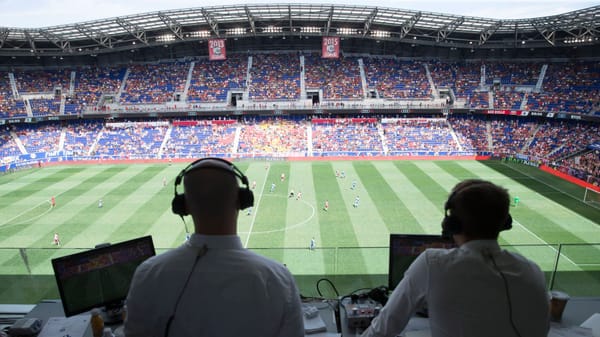
Perhaps MLS's most under-appreciated asset heading into the summer is a geographic one. Five MLS stadiums — Mercedes-Benz Stadium in Atlanta, Gillette Stadium in New England, Lumen Field in Seattle, BMO Field in Toronto, and BC Place in Vancouver — will serve as official World Cup venues this summer.
Beyond those five, virtually every remaining U.S. host city is already an established MLS market. New York/New Jersey, Los Angeles, Miami, Seattle, Dallas, Houston, and Philadelphia all have MLS clubs with established fanbases ready to absorb the overflow energy of a global tournament.
For MLS, the implication is obvious and powerful: hundreds of thousands of visiting fans from around the world, drawn to American cities for the world's most-watched sporting event, will land in cities where a professional soccer league is actively playing. The league is counting on that proximity to do what no ad campaign can — give new fans a reason to stay.
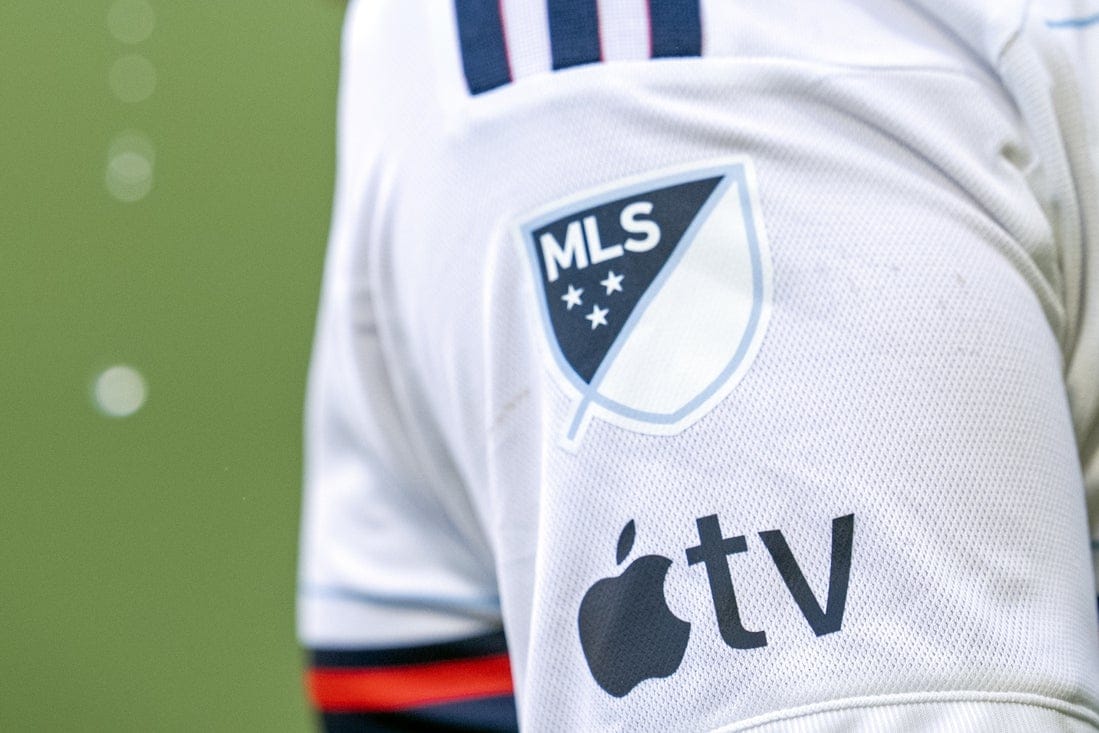
No discussion of MLS's World Cup opportunity is complete without addressing its most complicated strategic relationship: the Apple TV deal. In 2022, MLS signed a landmark 10-year, $2.5 billion rights agreement with Apple TV that gave the tech giant exclusive streaming rights to virtually all league matches. The deal was celebrated at the time as a bold, future-forward move. It was seen as a chance to build a direct-to-consumer relationship with fans and treat every local match with national-quality production value.
The reality has been more complicated. Apple TV's average MLS viewership of roughly was 120,000 unique viewers per match in 2025. While that figure is up 50% year over year, it pales against the 345,000 average ESPN delivered in its final season with the league, and looks tiny next to the 850,000 viewers the NBC family of networks routinely draws for Premier League matches.
The paywall in front of MLS' content, critics argue, creates a barrier exactly where MLS needs openness most: among casual fans who might tune in for free but won't pay a subscription to sample a league they're still deciding whether they care about.
The league appears to have heard the concern. For the 2026 season, MLS matches are now accessible to all Apple TV subscribers, not just those who have purchased the separate MLS Season Pass tier, a move MLS leadership called "hugely important" to lowering the barrier for new fans.
Apple TV, for its part, is leaning in: the company is set to produce more than 500 MLS matches this season, with investments in new production formats including a "Shot on iPhone" broadcast perspective, Ref Cam feeds on TikTok, and partnerships with EA Sports to livestream games within EA FC Mobile.
Whether that's enough remains genuinely uncertain. Commissioner Garber has said publicly that the league is evaluating whether the subscription model is the right long-term approach.
For all the momentum, MLS's path to permanent elevation is not without real obstacles. The first is the funding crisis quietly unfolding behind the scenes of World Cup preparation. Congress appropriated $625 million in funding to the 11 U.S. host cities to cover security, fan-fests, and infrastructure improvements. As of late March, that money had not arrived. Host city officials have publicly warned that without funding, planned events would begin to be canceled.
A "drop-dead date" of the end of March was cited by the Miami host committee to receive roughly $70 million in funds before fan fest construction plans would have to be abandoned. The situation remains politically fraught and logistically urgent.
Another challenge is the most human: attention is fleeting. "Major international events tend to bring huge spikes in fandom," MLS Chief Marketing Officer Radhika Duggal acknowledged recently, "but when those events end, some people forget their fandom as fast as they found it."
Beneath all the marketing campaigns and stadium announcements, the most structurally significant thing MLS is doing in 2026 involves a calendar change that most casual fans haven't noticed. Starting next year, MLS will realign its season to mirror the European calendar — shifting from a spring-to-fall schedule to a fall-to-spring one.
The implications are substantial. A European-aligned calendar facilitates the transfer window in both directions, making it easier for MLS to attract top-tier players from European leagues mid-season and for young American players to move the other way. It signals, more than any press release could, that MLS sees itself as part of the global soccer ecosystem rather than a league operating on its own island.
If the 2026 World Cup is the moment MLS presents itself to the world, the calendar shift is how it plans to stay in the conversation afterward.
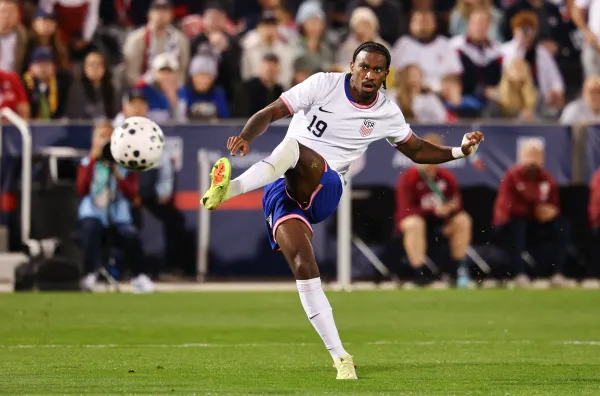
There is a version of this summer that becomes a turning point; where the World Cup frenzy rolls seamlessly into MLS playoff races, where Messi's Inter Miami and Heung-min's LAFC become must-watch TV for millions of new fans, where the league's growing youth pipeline looks suddenly more meaningful to a generation of American kids who watched the USMNT make a World Cup run in front of a home crowd.
And there is another version, where the circus leaves town in late July and the ratings settle back to where they were, where the attention spans scatter, where MLS remains a strong regional sports product that hasn't quite cracked into the American mainstream.
What separates those two futures isn't the World Cup itself. It's everything MLS does between now and the opening kickoff in 2027.
The league was born from a World Cup. It then spent three decades proving it deserved to exist. This summer, it has a chance to prove it deserves to matter, and not just in American sports, but globally. The jet has been fueled. The question is where it lands.