The missing ingredient in MLS: Dynasties and legacy clubs

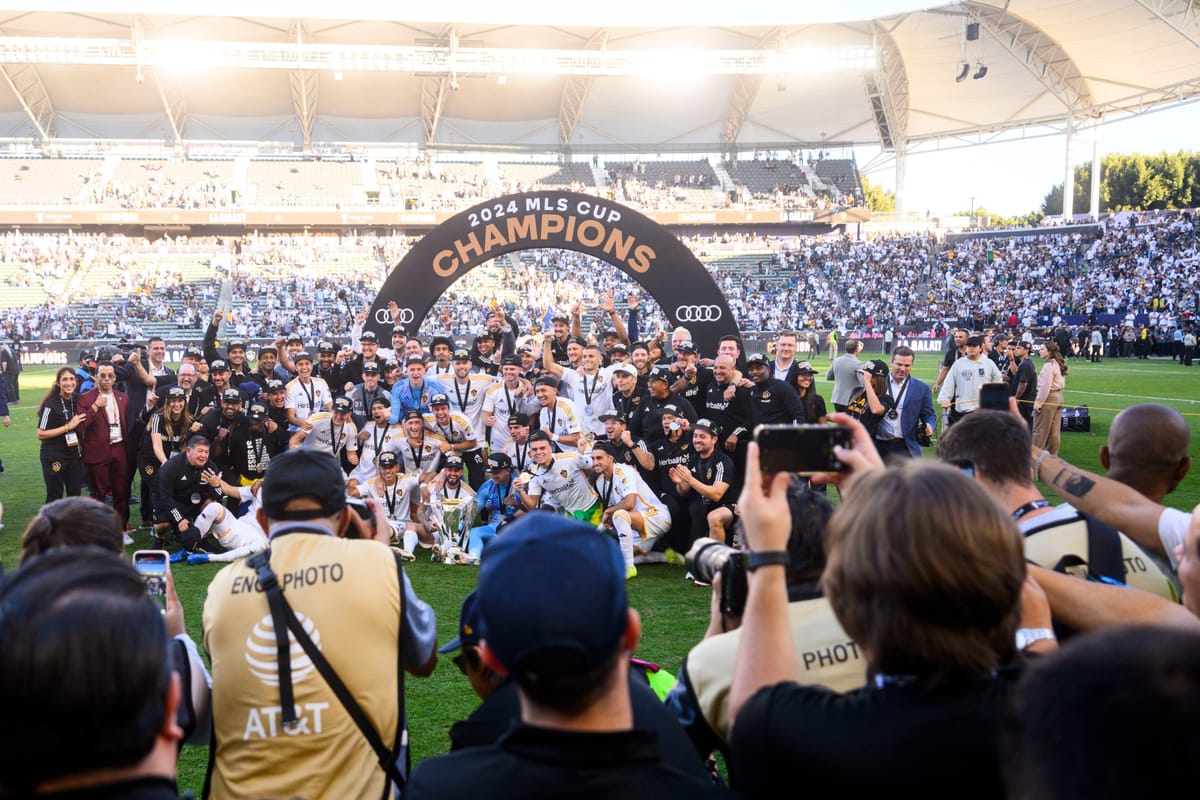
Major League Soccer has made impressive strides in the last decade. With rapid expansion, improved infrastructure, and the arrival of international stars, the league has grown in both visibility and competitiveness.
Yet in its pursuit of ultimate parity, a defining feature of many American sports leagues, MLS may be holding itself back from something even more powerful: the formation of dynasties and legacy teams.
While the concept of “any team can win” creates short-term suspense, the long-term health and cultural relevance of a league often rely on something else entirely — dominance. MLS doesn’t just need more parity; it needs greatness. Here's why winning dynasties and legacy clubs could be the key to MLS reaching the next level.
Dynasties drive narrative and identity
Sports are more than just players, games, and fans — they’re stories. Fans invest not only in wins and losses but in the emotional arcs that unfold over years: the rise of a team, its dominance, and the challengers that attempt to dethrone them. That kind of long-term storytelling is nearly impossible without dynasties.
Think about Manchester United’s decades of success, the LA Lakers’ iconic runs, or the New England Patriots’ NFL dominance. These aren’t just teams — they're institutions. They provide continuity, drama, and a sense of scale that remains even in times of sporting hardship.
MLS needs its own legends. It needs dominant teams that casual fans can rally behind or passionately root against.
International prestige demands recognizable powerhouses
If MLS wants to be taken seriously on the global stage, it needs clubs that the world recognizes, not just for their branding or celebrity owners and once-great superstars, but for their sustained excellence.
Casual global soccer fans tune in to the Premier League not just because it’s competitive, but because clubs like Manchester City, Liverpool, and Arsenal are symbols of greatness. In La Liga, the sustained excellence of Real Madrid and Barcelona attracts new fans, casual and hardcore, in droves on an annual basis.
MLS needs institutions that can occupy that same cultural and competitive space, teams that consistently perform in the CONCACAF Champions Cup, domestic trophies, and sustain periods of dominance that earn them global recognition.
Media and marketing thrive on dominance
Media coverage and fan interest often peak when there’s a dominant team to talk about, whether people love them or love to hate them. The "villain" effect of dynasties has powered countless successful sports storylines.
The Patriots, the Warriors, the Yankees, these teams drew huge audiences because people tuned in either to celebrate greatness or hope for an upset. MLS would benefit immensely from having its own media magnets, teams that the league and broadcasters can rally coverage around.
From a marketing perspective, dynasties simplify the narrative. You always know who the main characters are, and that's great for television, sponsorships, and international reach.
Dynasties don’t eliminate parity — they can enrich It
The fear of dynasties is often tied to concerns about fairness. But dominant teams don’t destroy competitive balance, they create stakes and elevate the level of play. In both the NBA and NFL, dynasties have coexisted with breakout underdog stories.
What MLS needs is balance: a system where elite teams can build and maintain excellence, while others still have a realistic path to challenge them. That dynamic produces compelling drama and authentic growth.
The obstacles MLS clubs face in pursuit of sustained excellence
Creating a lasting dynasty in Major League Soccer is a rare feat, largely due to the league’s unique structure and competitive balance rules. Unlike many global leagues, MLS enforces a strict salary cap and intricate roster regulations. These financial constraints limit a club's ability to stack talent or retain star players long-term, making sustained success a challenge.
Player turnover is another major hurdle. Promising talents often leave for greener pastures, while veterans may be lost to expansion drafts or contract limitations. This constant reshuffling disrupts any attempt at sustained chemistry and long-term planning.
MLS is, of course, built for parity. Mechanisms like allocation money, the SuperDraft, and equal revenue sharing are designed to prevent dominance by any single club. While this creates exciting, unpredictable seasons, it makes it nearly impossible for teams to maintain superiority year after year.
Let the legends grow
For MLS to become more than just a growing league, for it to become a cultural mainstay, it needs stories that matter. It needs dominant teams that define eras and force others to raise their standards. It needs legacy.
Winning dynasties don’t cheapen the sport. They don’t kill competition. They build history, inspire loyalty, and make greatness the standard.
It’s time for MLS to embrace the power of dominance — and let the legends grow.