Why Inter Miami's ambition to be an American super-club is good for MLS

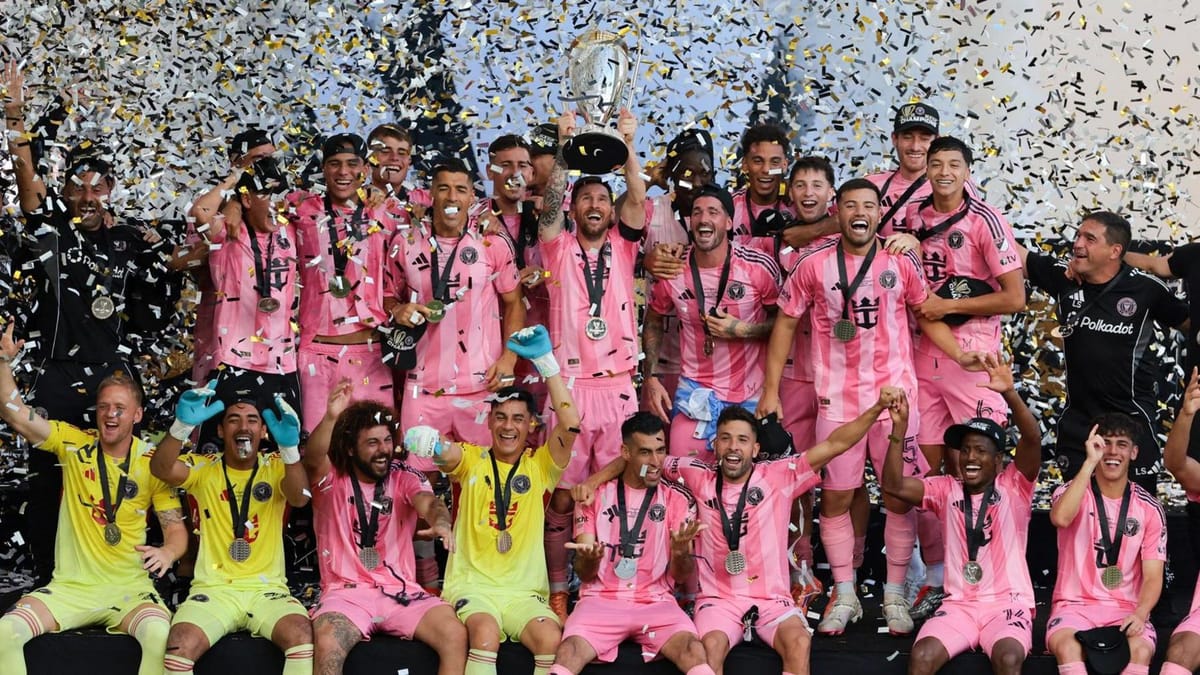
Inter Miami's aggressive pursuit of 'super-club' status is undoubtedly driving significant growth for Major League Soccer, but not without generating friction and valid concerns about competitive balance.
The club's strategy, anchored by global megastars like Lionel Messi and Luis Suarez, and fueled by the Beckham brand, is a high-stakes roll of the TAM/GAM dice that relies heavily on buy-in from outside of MLS.
The arrival of Messi in the summer of 2023 was a watershed moment, instantly transforming MLS from a respected, growing regional league into a frequent topic among global soccer circles. Miami achieved what was previously unthinkable: securing an active World Cup winner still in touch with the peak of his powers.
Yet, this success is heavily concentrated around Miami's ability to navigate league rules, raising eyebrows about how much competitive advantage one team can legitimately acquire.
🇦🇷 I know Inter Miami is in celebratory mode, but the whole Rodrigo De Paul loan was a farce.
— Franco Panizo (@FrancoPanizo) December 11, 2025
Everyone knew — and some protagonists even said publicly — he was going to be back in 2026.
Yet roster rules reportedly did not allow for an automatic buy option.#InterMiamiCF #Messi pic.twitter.com/YLGq0qF3CC
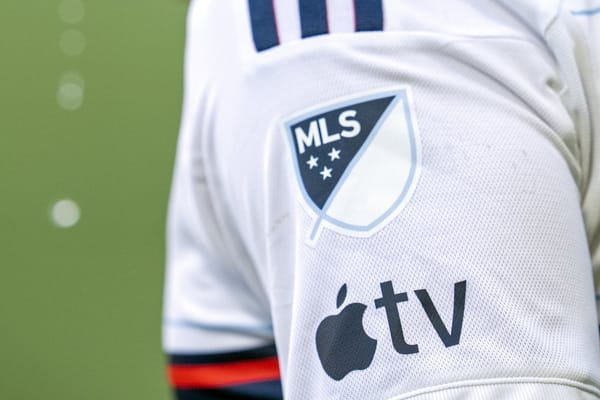
The surge in Apple TV subscriptions and global media reach is undeniable, but it underscores a league model where one club often dictates the narrative for all.
Every sports story needs a compelling antagonist. And Inter Miami, with their celebrity co-owner, star-studded roster, questionable rule-bending and "Miami Vice" pink kits, have effortlessly stepped into the role of the league's undisputed villain. And let's get one thing straight, we shouldn't wish sporting villains away.
But why should we applaud a team's ambition to dominate in a league where 'all for one, one for all' is the motto sung by those insistent on parity across the board?
I am by no means suggesting we should hope for Inter Miami to win the next four MLS Cups and become the Bayern Munich of North America. Absolutely not. However, we should be encouraging clubs to strengthen while on top, spend big money on better players and lean into the ambition to dominate.
Liga MX has seen five different league title winners in the last 10 seasons, yet they remain a league with identifiable, prestigious clubs that you can count on to make deep runs in both domestic and continental competitions.
In the case of Inter Miami, we should be speaking about the changing MLS landscape in which an MLS Cup winner is spending a further $17 million to keep ahold of a star midfielder, not if the fine print bars them from doing so.
Parity is certainly important, yet we must see the forest for the trees. The way to make parity palatable is not be to hamstring and admonish the clubs trying to win, but to incentivize those with the ambition to build lasting success.